Here are a few favourites from my reading this spring.
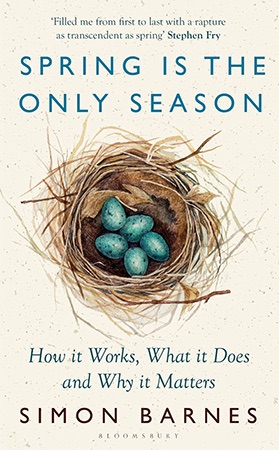
I am not a frequent reader of non-fiction, but this book by Simon Barnes explored spring with some ancient and fresh perspectives.
“Spring is the time of renewal and rebirth, a celebration of the resilience of life. As the year turns, animals and plants that have struggled to survive the winter find new hope and create the next generation. The season has inspired some of humanity’s greatest art and many of its most significant religious festivals.
Now, in Spring is the Only Season, Simon Barnes provides a fresh and compelling look at this period of the year. He explains the science of the seasons, which are caused by the planet’s 23.5 degree tilt; he also highlights the music, the paintings and the poetry that have tried to capture it. Packed with fascinating insights, remarkable facts and key stories, the book is a vivid and multi-faceted portrait of spring.”
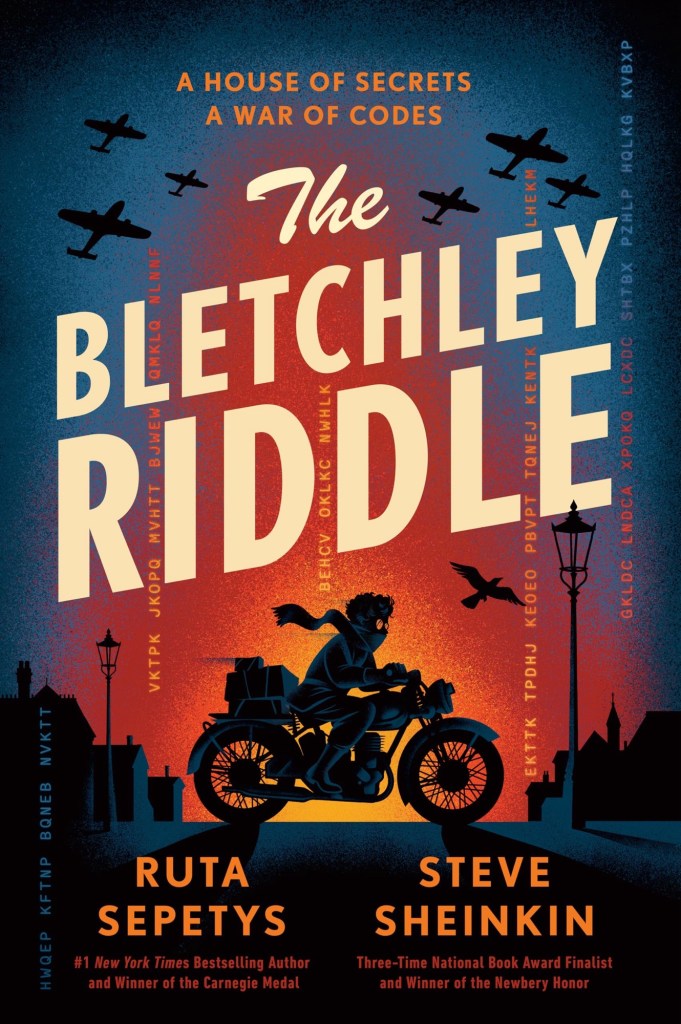
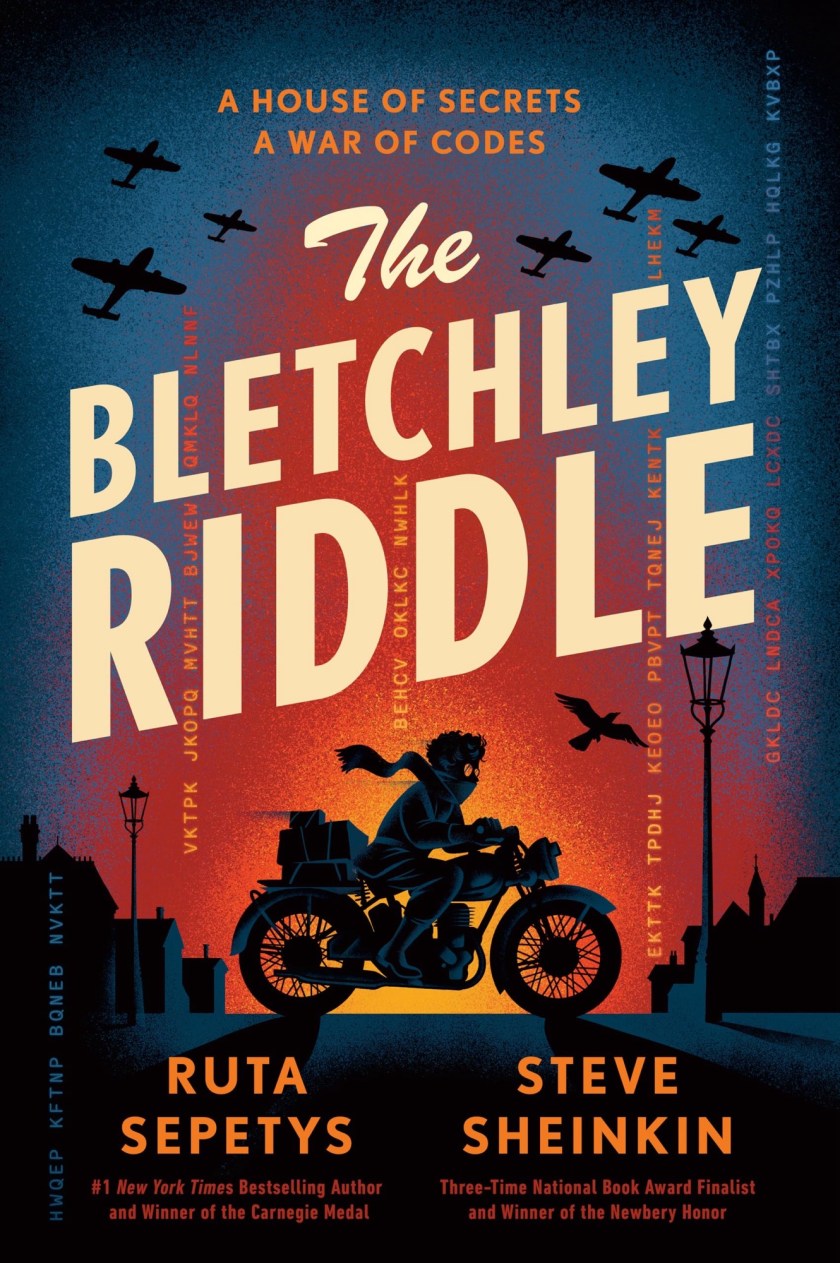
I loved The Bletchley Riddle. It is an adventure told by a brother and sister in the same timeline, set in Bletchley Park during WW2. The siblings serve the country trying to unravel both Enigma and the disappearance of their mother. It is in the middle grade genre, but it is a well-written, captivating story that adults will also enjoy.
“Remember, you are bound by the Official Secrets Act…
Summer, 1940. Nineteen-year-old Jakob Novis and his quirky younger sister Lizzie share a love of riddles and puzzles. And now they’re living inside of one. The quarrelsome siblings find themselves amidst one of the greatest secrets of World War II—Britain’s eccentric codebreaking factory at Bletchley Park. As Jakob joins Bletchley’s top minds to crack the Nazi’s Enigma cipher, fourteen-year-old Lizzie embarks on a mission to solve the mysterious disappearance of their mother.”
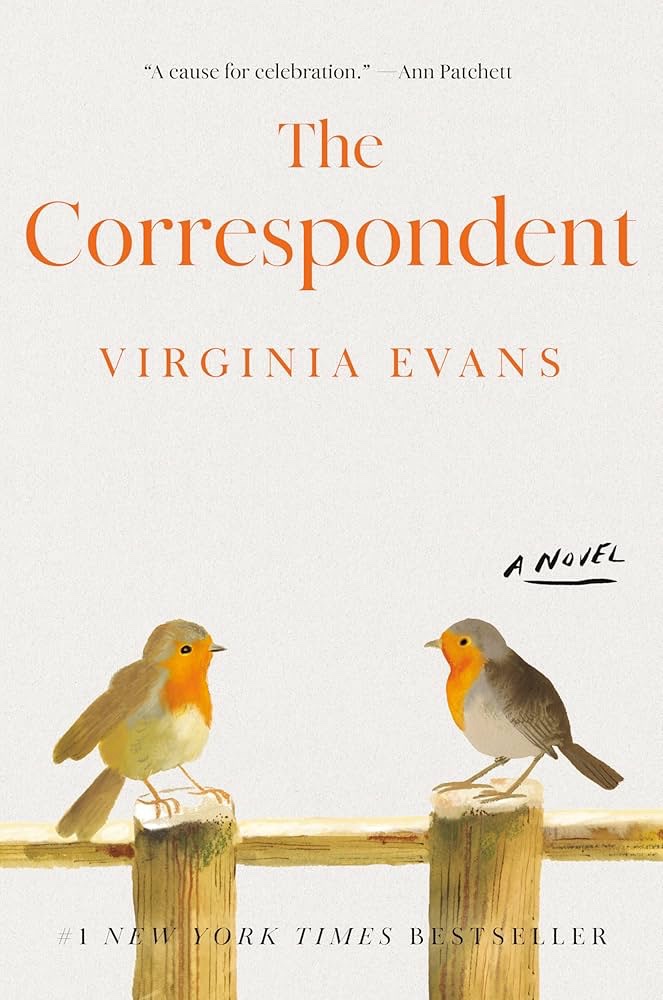
I tend to like stories told in the epistolary format, and found The Correspondent to be both interesting and nostalgic.
“Imagine, the letters one has sent out into the world, the letters received back in turn, are like the pieces of a magnificent puzzle. . . . Isn’t there something wonderful in that, to think that a story of one’s life is preserved in some way, that this very letter may one day mean something, even if it is a very small thing, to someone?
Filled with knowledge that only comes from a life fully lived, The Correspondent is a gem of a novel about the power of finding solace in literature and connection with people we might never meet in person. It is about the hubris of youth and the wisdom of old age, and the mistakes and acts of kindness that occur during a lifetime.”
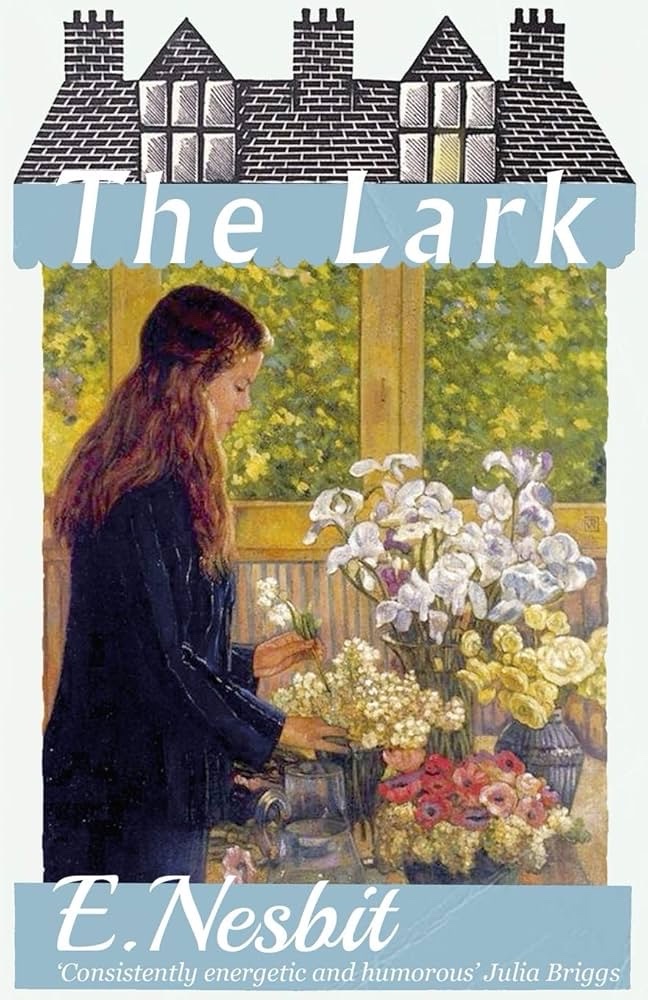
The Lark is the oldest book in this list, being published in 1922. I found it to be a humorous and relaxing book for reading on the deck.
“It’s 1919 and Jane and her cousin Lucilla leave school to find that their guardian has gambled away their money, leaving them with only a small cottage in the English countryside. In an attempt to earn their living, the orphaned cousins embark on a series of misadventures – cutting flowers from their front garden and selling them to passers-by, inviting paying guests who disappear without paying – all the while endeavouring to stave off the attentions of male admirers, in a bid to secure their independence.”

